Reverse weave wire mesh for dewatering screens
In today’s manufacturing and industrial processes, efficiency and sustainability are paramount. One innovative solution making waves is the Reverse Weave Wire Mesh, a specialized material that significantly enhances dewatering operations across various industries. With growing demands for effective waste management and resource recovery, the implementation of reverse weave wire mesh is transforming how industries handle liquid-solid separation, offering solutions that address common pain points such as material loss and inefficiency in filtration processes.
Engineered to optimize performance, reverse weave wire mesh is designed for high-strength, durability, and effective dewatering. In this article, we will explore the technical applications, advantages, and future potential of reverse weave wire mesh while addressing common challenges industries face in dewatering processes.
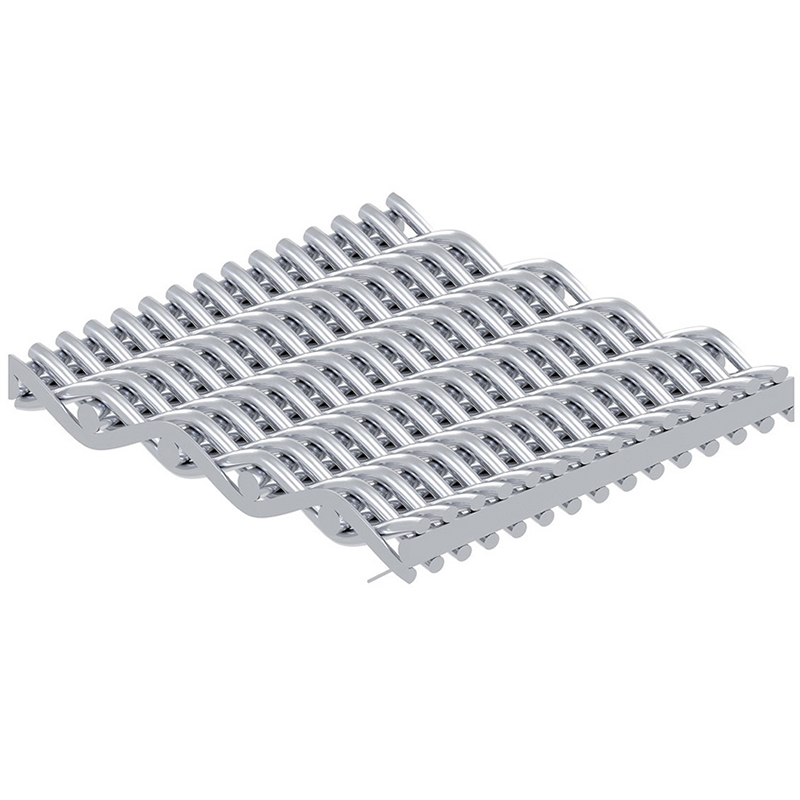
Definition of Reverse Weave Wire Mesh and Industry Term Analysis
Reverse weave wire mesh is a type of woven wire fabric featuring a unique structure that enhances the drainage capability of dewatering screens. Unlike traditional mesh, it consists of intertwined wires that create larger openings for faster liquid passage while still retaining solid particles effectively. This structure minimizes clogging and ensures a higher flow rate, making it highly efficient for various filtration processes.
Industry Terms:
Filtration Efficiency: This refers to the effectiveness of the wire mesh in separating solids from liquids. Studies indicate that properly designed reverse weave wire mesh can achieve filtration efficiencies above 95%, proving superior to conventional methods.
Mesh Size: The dimensions of the openings in the weave are crucial for dewatering applications. Fine, calibrated mesh sizes can reduce retentions of small particles while allowing large volumes of liquid to pass, optimizing throughput.
Material Strength: The tensile strength of wire used in manufacturing the mesh is essential for maintaining its integrity during operation. Reverse weave wire mesh typically boasts tensile strengths exceeding 1,200 MPa, providing longevity in demanding applications.
Application Scenarios for Reverse Weave Wire Mesh
Reverse weave wire mesh is utilized across various sectors where effective liquid-solid separation is critical. Some of the primary application areas include:
Mining and Mineral Processing: In the mining industry, reverse weave wire mesh is employed in tailings management, ensuring efficient dewatering of slurries, which can reduce the waste volume by 50%.
Wastewater Treatment: Municipalities incorporate reverse weave mesh in wastewater facilities to optimize treatment processes, achieving a consistent reduction in solids by up to 85%.
Food Processing: In dairy or juice production, this mesh helps to clarify products while maintaining quality, reducing filtering time by up to 40%.
Brief Description of Advantages
The integration of reverse weave wire mesh into dewatering solutions presents several advantages, significantly enhancing operational efficiency:
Increased Separation Efficiency: The design and material characteristics contribute to improved separation of solids from liquids, with filtration efficiency rates of 95% or higher in practical applications.
Reduced Maintenance Costs: The durable nature of reverse weave wire mesh, combined with its clog-resistant design, reduces the need for frequent replacements, translating to lower maintenance costs over time.
Environmental Benefits: By maximizing the recovery of materials and minimizing waste generation, reverse weave wire mesh supports sustainability efforts across industries, aligning with modern environmental regulations.
Next Steps: Guidance for Users
To capitalize on the benefits of reverse weave wire mesh, users should consult detailed user guides available from manufacturers and experts in the field, including brands like Shengfa. These resources provide insights into installation, maintenance, and performance optimization tailored to specific operational needs.


Comments
Post a Comment